
Head of Secretariat calls for practical, phased approaches as tax administrations move toward real-time transaction data
Pacific tax administrations should adopt digital compliance tools at a pace and in a form that fits their own capacity, infrastructure and taxpayers, the Pacific Islands Tax Administrators Association (PITAA) told delegates at ENCORE 2026, held in Nadi from 26 to 28 October.
PITAA Head of Secretariat Petero Maivucevuce spoke on the conference’s opening panel, From Fiscalization to Continuous Transaction Control, hosted by Data Tech International (DTI). The panel examined how tax administrations are moving from electronic fiscal devices and e-invoicing toward continuous, real-time access to transaction data, and what that shift means for compliance, taxpayer services and revenue collection.
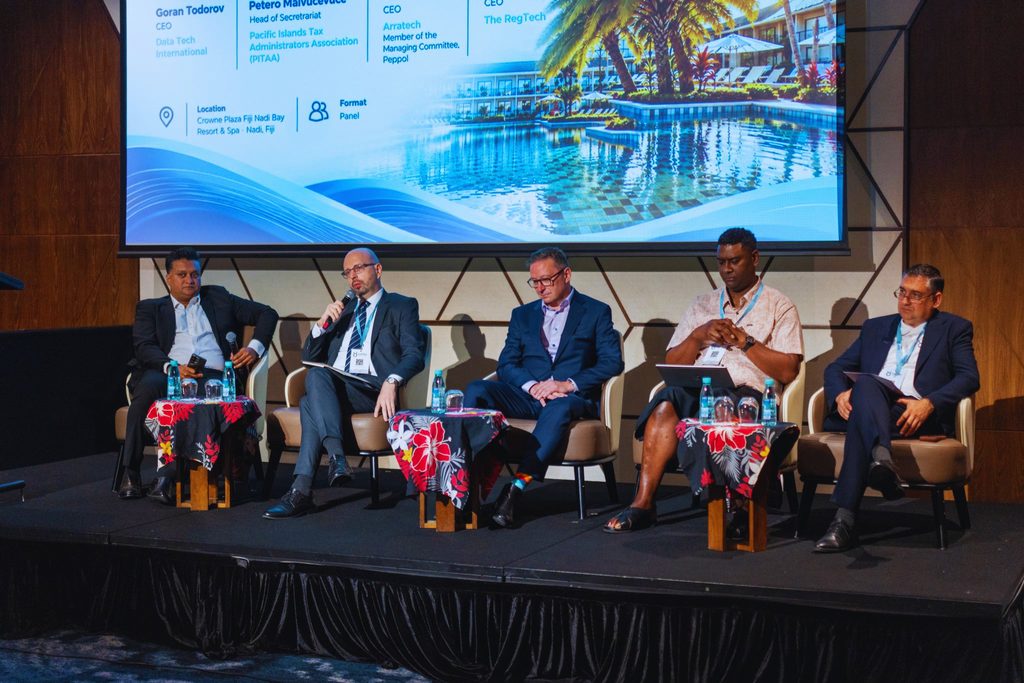
Mr Maivucevuce brought the tax administration and Pacific perspective to the discussion, alongside fellow panellists Goran Todorov of DTI, Hans Berg of Arratech and the Peppol Managing Committee, and Igor Ujhazi of The RegTech.
“Technology offers real opportunities for tax administrations, but the approach must be practical and fit for purpose,” said Mr Maivucevuce. “Pacific jurisdictions operate in very different environments. Reforms have to take account of local capacity, connectivity and taxpayer readiness, and they have to work on an outer island in cyclone season as well as in a capital city.”
Drawing on Latin America’s long experience with electronic invoicing, he said Pacific administrations should learn from the way those reforms were sequenced – a clear legal mandate, a phased rollout, free and simple tools for small businesses, and returning value to taxpayers rather than copying the most advanced models outright.
“Collecting transaction data is now the easy part. Using it is the hard part,” he said. “The real value lies not in the volume of information collected, but in how it helps administrations make better decisions, improve services and support voluntary compliance.”
Mr Maivucevuce also noted that digital reforms succeed when they are aligned with national priorities, supported by sustained taxpayer education, and backed by investment in the people and processes needed to act on the data – not only in the systems that collect it.
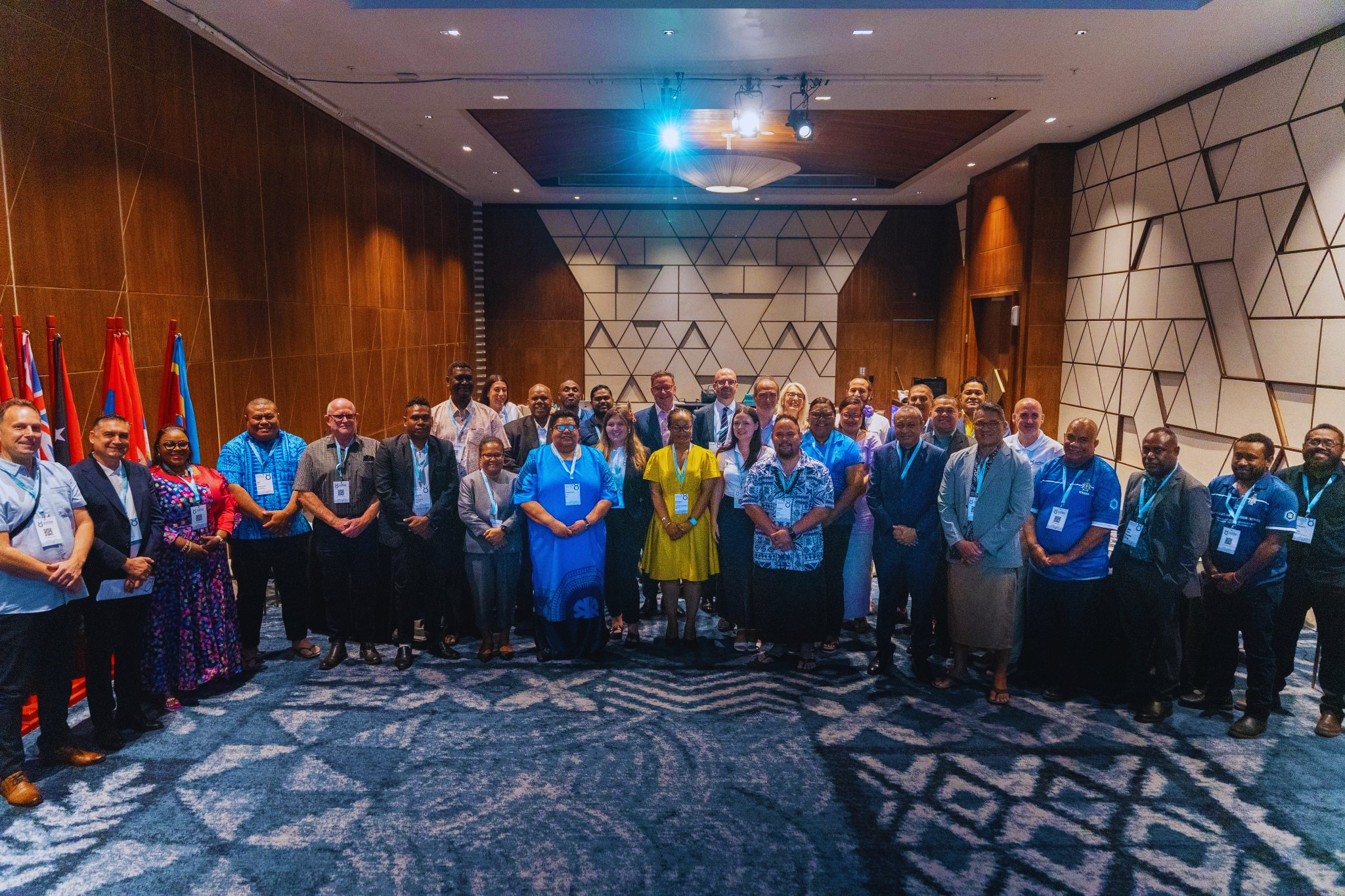
Beyond the panel, ENCORE 2026 brought together tax authorities and partners to share practical lessons from implementing digital reforms in different operating environments. Sessions also covered taxpayer engagement, data analytics, artificial intelligence and building sustainable digital tax systems.
“Our size is a constraint for each country, but an advantage for the region,” Mr Maivucevuce said. “When Pacific administrations share standards, skills and lessons learned, we can move further together than any of us could alone.”
PITAA’s participation reflects its continuing role in promoting collaboration, knowledge sharing and capacity development among Pacific tax administrations, and in ensuring that Pacific experiences are represented in regional and international discussions on the future of tax administration.